Expert Lawn Care Services: Your Path to a Lush, Vibrant Lawn
Professional lawn care services play a crucial role in keeping a lawn vibrant and healthy. Such professionals understand local environmental conditions and deliver tailored solutions for soil health, fertilization, and pest management. Homeowners often overlook the benefits of expert intervention. A well-maintained lawn not only enhances curb appeal but also increases property value. Yet, finding the right service can be challenging. What should homeowners look for when seeking professional assistance?
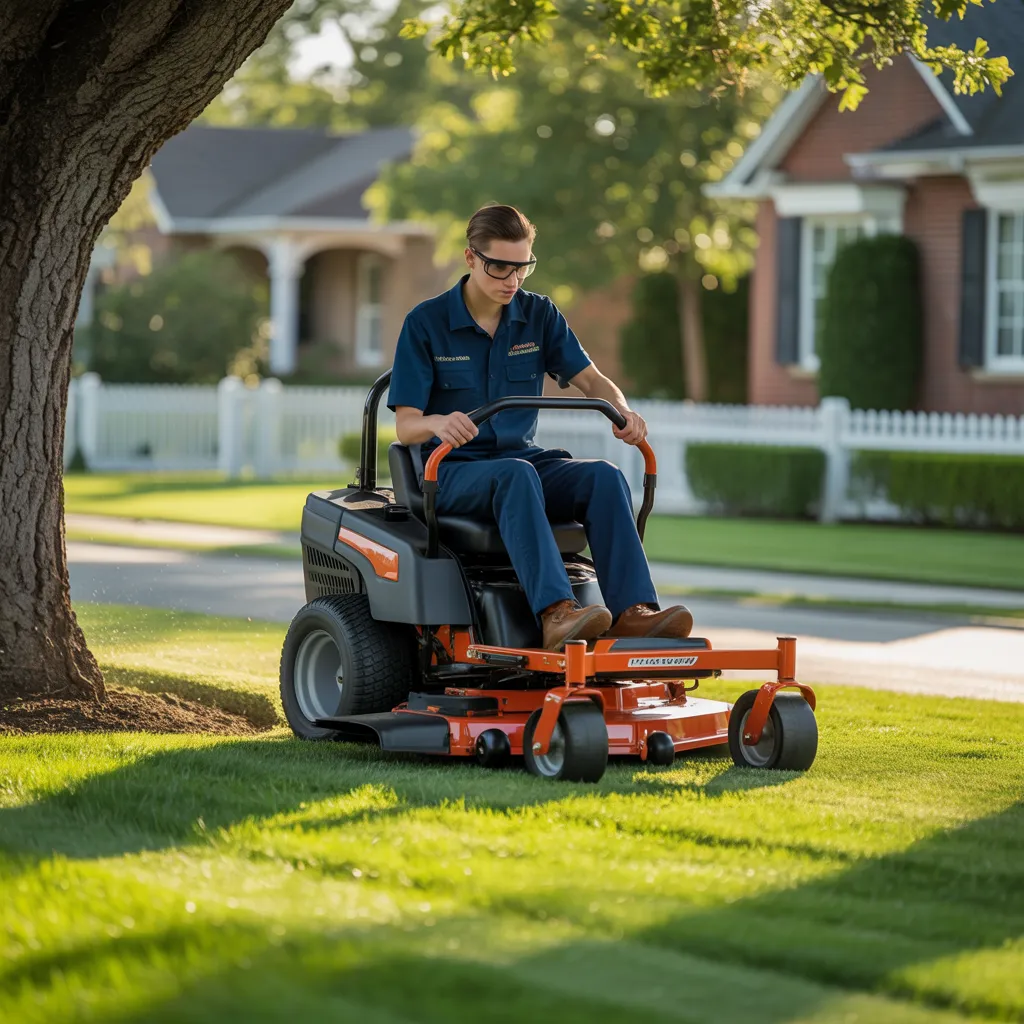
The Importance of Professional Lawn Care for Your Home
Although many homeowners may attempt DIY lawn maintenance, professional lawn care services offer essential expertise that greatly enhances the health and appearance of a property's outdoor space. These professionals possess in-depth knowledge of local soil conditions, climate factors, and grass types, allowing them to tailor care strategies that yield superior results. Their hands-on knowledge empowers them to spot emerging concerns before they become serious, guaranteeing that lawns stay healthy and thriving.
Moreover, professional lawn care providers use cutting-edge equipment and top-tier products that are often unavailable to the average homeowner. This improves not only efficiency but also elevates the general effectiveness of lawn treatments. By engaging expert services, homeowners can save valuable time and decrease the risk of costly mistakes. At the end of the day, opting for professional lawn maintenance fosters a healthier environment and elevates the visual appeal of a property, leading to greater property value and enhanced enjoyment of outdoor areas.
Fundamental Lawn Care Services: What Experts Deliver
Comprehensive lawn care services include fundamental duties that promote a vibrant and well-maintained outdoor space. Core offerings consist of soil health assessments to evaluate nutrient levels, nutrient application and fertilization programs to encourage healthy development, and comprehensive pest and weed elimination to copyright turf standards. These services guarantee that lawns remain healthy and vibrant throughout the seasons.
Soil Health Assessment
Achieving a thriving lawn starts with strong and nutrient-rich soil, which is why soil health assessment is an essential service offered by lawn care professionals. This assessment involves testing soil composition, pH levels, and nutrient availability to determine the overall health of the soil. Skilled technicians use dedicated instruments and approaches to obtain samples and assess them thoroughly. Upon discovering gaps or inconsistencies, they can propose targeted treatments and strategies designed to address the particular demands of the lawn. Furthermore, soil health evaluations aid in comprehending the microbial processes within the soil, which play a vital role in nutrient cycling. As a result, a detailed assessment creates the basis for productive lawn care approaches, making certain that the lawn receives the critical backing required for maximum growth and vitality.
Nutrient Management and Fertilization
Fertilization and nutrient management are critical aspects of effective lawn care, greatly impacting the condition and look of the grass. Specialists analyze the particular nutritional requirements of the lawn, often utilizing soil tests to identify deficiencies. This customized method ensures that the correct fertilizers are used, promoting ideal growth and resilience. Lawn care experts typically recommend a well-rounded combination of nitrogen, phosphorus, and potassium, which are critical for robust growth. Additionally, they schedule applications according to seasonal conditions, enhancing nutrient efficiency while limiting waste. Proper timing and technique in fertilization not only elevate the lawn's appearance but also strengthen its general condition, leading to a lush, green landscape that resists environmental challenges successfully.
Pest Control and Weed Management
Preserving a thriving lawn necessitates diligent pest and weed control, as these threats can quickly undermine its vitality. Professional lawn care services employ a variety of methods to effectively manage pests and weeds, ensuring the lawn stays healthy and flourishing. Integrated Pest Management (IPM) techniques are commonly used, combining biological, cultural, and chemical approaches to minimize harm to beneficial organisms. Additionally, experts identify specific weeds and pests, tailoring their strategies to target these threats without harming the surrounding environment. Routine assessment and swift responses are vital, as early recognition can minimize widespread destruction. By leveraging cutting-edge technology and experience, experts not only address active infestations but also introduce preventative strategies, securing enduring lawn wellness and curb appeal.
Selecting the Best Lawn Care Service: Important Factors to Consider
What steps can homeowners take to ensure they choose the right lawn care service for their situation? First, they should assess their specific requirements, such as lawn size, desired services, and budget. Investigating nearby companies plays a vital role, as homeowners can consult online reviews and gather suggestions from people in their community. Additionally, validating the company's qualifications is key, making sure the service carries the necessary licenses, insurance coverage, and certifications from established professional associations.
Furthermore, prospective customers should look into the service options, including organic options and personalized maintenance plans. A trustworthy company will present a thorough, well-structured quote detailing the offerings, rates, and timing. Additionally, homeowners should evaluate service responsiveness; effective communication and responsiveness are significant indicators of a dependable service.
Ultimately, arranging an initial meeting can help homeowners evaluate a company's knowledge and professional standards. By taking these elements into account, homeowners can arrive at well-informed choices and ultimately achieve a vibrant, thriving lawn customized to suit their specific requirements.
What Takes Place During a Lawn Care Consultation?
What do homeowners experience during a lawn care consultation? At the start, a professional will assess the property, reviewing the lawn's general condition, soil composition, and current plant life. This inspection helps uncover specific concerns, such as pests, diseases, or nutrient deficiencies. Homeowners may be consulted about their lawn care goals, desired outcomes, and any past treatments.
Once the assessment is finished, the specialist will present targeted recommendations. Such recommendations might cover the kinds of treatments and fertilizers required, as well as a outlined care schedule. Homeowners will also receive guidance on optimal approaches to watering, mowing, and pest management.
The consultation generally ends with a discussion of costs and service options, empowering homeowners to decide with confidence. This collaborative approach guarantees that the homeowner's vision is balanced with professional insight, setting the foundation for a thriving lawn.
Lawn Care Tips for Every Season: Strategies for a Thriving Lawn
Proper lawn maintenance demands a periodic method to guarantee peak vitality and development. As spring arrives, preparation essentials lay the groundwork for a thriving lawn, while summer maintenance techniques help sustain its vitality. As the fall season begins, implementing cleanup strategies is vital for the lawn's endurance during the cold winter season.
Spring Readiness Fundamentals
As spring approaches, property owners should begin preparing their lawns for the season ahead. Beginning with debris removal, such as clearing leaves and branches that may choke the grass underneath, is a critical first measure. Aerating the soil is crucial, as it allows water and nutrients to seep deeper into the ground, fostering healthy root growth. Testing the soil pH can guide fertilization, ensuring ideal nutrient levels for healthy grass. Property owners would benefit from overseeding to cover bare spots and improve the overall thickness of the lawn. Applying a pre-emergent herbicide can help prevent unwanted weeds from taking root. Finally, establishing a regular watering schedule is essential, as consistent moisture contributes greatly to a thriving lawn. These spring preparation essentials set the foundation for a vibrant, healthy outdoor space.
Summertime Maintenance Strategies
Preserving a vibrant lawn during the summer season requires careful planning and dedicated effort. Adequate irrigation is crucial; lawns typically need about one inch of water per week, ideally applied early in the morning to reduce moisture loss. Trimming at the appropriate height—generally around three inches—encourages stronger root development and lessens grass strain. Additionally, regular fertilization with a slow-release nitrogen product supports healthy growth without the risk of burning the grass. Aeration can alleviate soil compaction, allowing air and nutrients to penetrate effectively. To conclude, monitoring for insects and lawn diseases ensures prompt treatment, safeguarding the lawn's health. By following these practices, homeowners can maintain a healthy, thriving lawn all summer long.
Fall Cleaning Approaches
A comprehensive fall cleanup is crucial for getting a lawn ready for the colder months ahead. This process begins with raking leaves to prevent smothering the grass, which can lead to mold and disease. Furthermore, homeowners should remove any debris, including branches or dead plants, to encourage healthy growth in the spring. Aerating the soil is also an essential step, as it improves water penetration and nutrient absorption. A fall fertilizer application can further reinforce the lawn's ability to withstand related content winter stress. To conclude, overseeding can enhance density and address bare spots, securing a lush, green lawn when warmer weather comes back. Applying these methods will help develop a flourishing lawn prepared to withstand winter's challenges.
Sidestep These Frequent Lawn Care Errors
Achieving a healthy lawn requires knowledge and planning, yet many homeowners inadvertently commit common errors that can damage their results. A common error involves improper mowing height; cutting grass too short can weaken roots and create a breeding ground for weeds. Moreover, overwatering is another common issue, causing weak root development and heightened disease risk. Homeowners frequently neglect soil health too, overlooking pH testing and the addition of vital nutrients.
Another common pitfall is using fertilizers or pesticides without being aware of their correct application rates, which can cause harm to the lawn and surrounding environment. Timing is crucial; applying treatments at the wrong season can lead to disappointing outcomes. Finally, many fail to prioritize proper aeration, neglecting to address soil compaction that limits essential air and water flow. By recognizing these pitfalls, property owners can better approach their lawn care, producing a lush and healthy outdoor space.
Easy Tips for Keeping Your Lawn Healthy Between Services
Regular attention to lawn care between services can greatly enhance the overall condition and look of your yard. Homeowners are encouraged to begin with consistent mowing, ensuring blades are sharp to avoid tearing grass. Maintaining a height of about three inches encourages deeper root growth and retains moisture.
Adequate watering is necessary, but it should be done during the early morning to limit water evaporation. Deep irrigation a couple of times weekly is better than light and frequent water applications.
Weed management is an additional crucial consideration; pulling weeds by hand or using targeted herbicides can prevent them from competing with grass for nutrients.
Fertilizing based on a plan designed around your grass variety and soil composition will provide critical nutrients.
Finally, aerating your lawn at least once or twice each year supports better soil conditions and improves moisture absorption. By implementing these straightforward guidelines, homeowners are able to preserve a beautiful and flourishing lawn between scheduled professional treatments.
Common Questions and Answers
How Regularly Should I Schedule Professional Lawn Care?
Leading experts advise getting your lawn professionally maintained every 4 to 6 weeks during the growing season. This frequency guarantees ideal health, aesthetics, and maintenance, allowing for timely treatments and adjustments in response to seasonal demands.
What Equipment Do Lawn Care Professionals Typically Use?
Turf management specialists use a variety of machinery, including mowers, trimmers, blowers, aerators, and seeders. Such machinery helps them maintain lawns efficiently, promoting optimal health, aesthetics, and growth during every season of the year.
Is Organic Lawn Care an Option?
Yes, organic lawn care options are available. These methods utilize natural fertilizers, compost, and eco-friendly pest control, encouraging healthier soil and ecosystems while limiting exposure to chemicals. A growing number of professionals now include organic practices as part of their services.
Do Lawn Care Services Provide Pest Control Assistance?
Certainly, professional lawn care providers can help with pest control by employing numerous techniques and treatments. Such professionals examine pest problems, recommend appropriate solutions, and apply effective products to maintain a healthy, thriving lawn while minimizing pest issues.
What Should I Do if My Lawn Shows Signs of Disease?
When a lawn displays symptoms of disease, it is important to assess the visible symptoms, enhance the drainage system, revise watering schedules, and use suitable treatment methods. Reaching out to a specialist for accurate diagnosis and targeted treatments is frequently recommended for effective management.